Tibetan Women Microentrepreneurship Program
For Tibetan women rebuilding their lives in exile, especially single mothers and those in remote communities, earning a steady income can be a daily struggle. Many have valuable skills and fierce determination, but lack the funding, training, and market access to turn them into a sustainable living. Our program bridges that gap with seed grants, skills training, business mentoring, and market access, so women can turn their skills and ideas into income and greater financial independence.
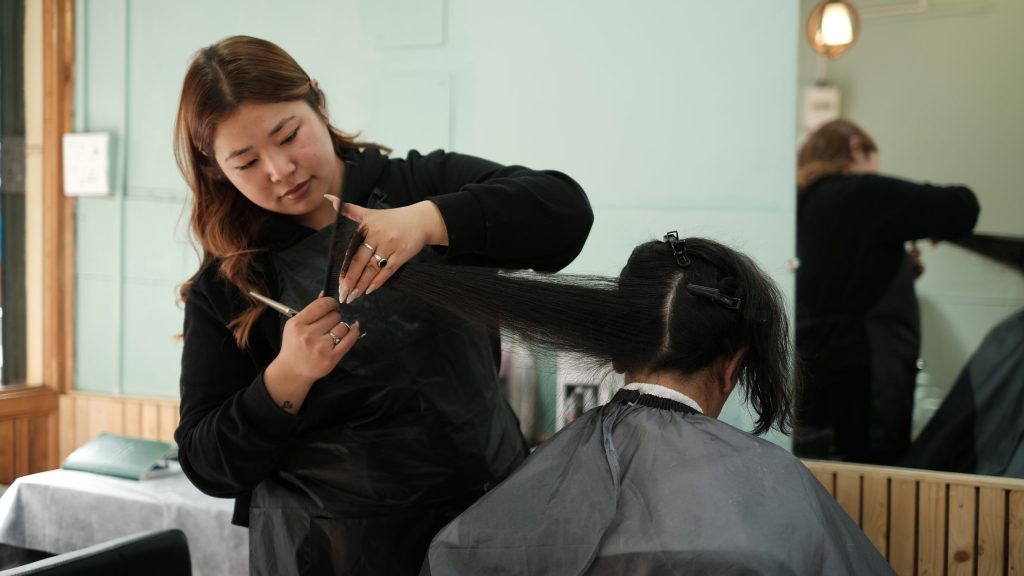
Nordon, a young woman who aspired to run her own business; at 26, she is the proud owner of a beauty salon in Dharamsala. After receiving skills training and working, she felt ready but did have funds to launch it. A timely seed grant from The Tibet Fund made her dream possible. “Success for me means being independent, standing on my own feet and being able to support my mother.”
Nordon currently trains aspiring beauticians and offers internships through the Tibetan Career Centre in Dharamsala, paying it forward.
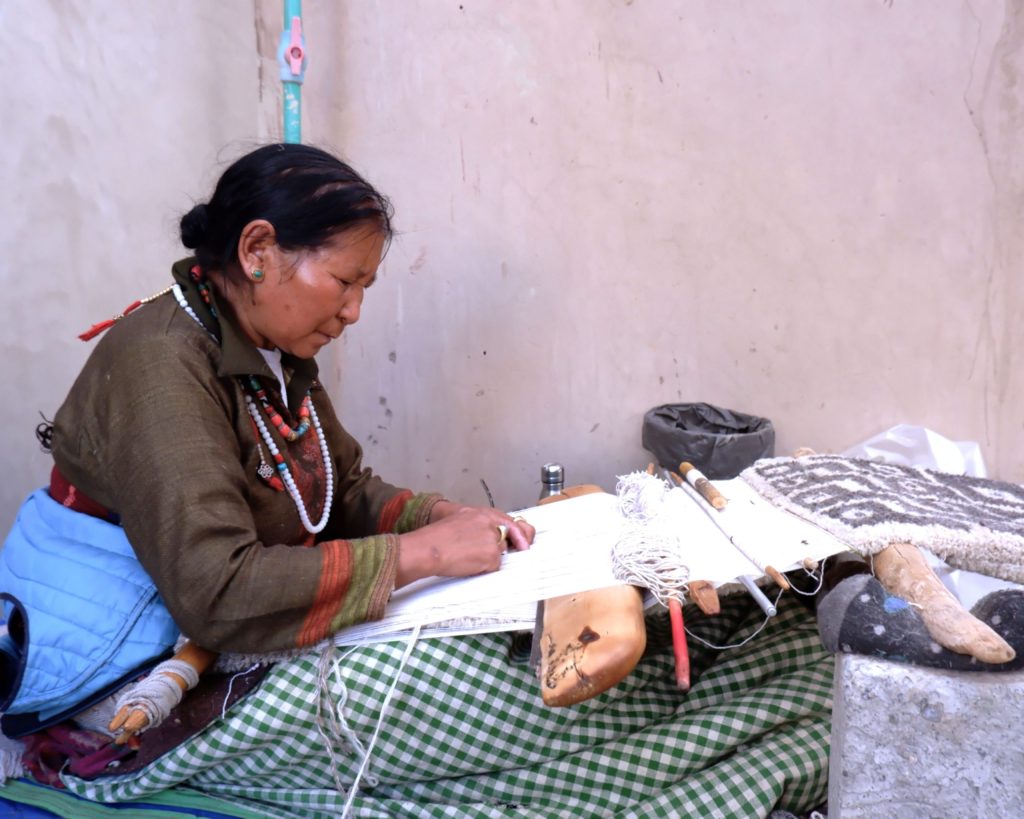
Dhemey Dolma, 68, is one of four women weavers from nomadic backgrounds who have resettled in Leh. Three are over 60 and two are single mothers. When demand for their rugs fell, their incomes became unstable, and they sometimes took daily-wage work such as paving roads.
With the program’s support, they launched Tsugden, a brand of woolen rugs whose contemporary designs blend cultural heritage with modern style. Our team works with them to improve quality and design and to find new markets. The women have renewed their focus on their craft, determined to sustain their business and pass their skills on to younger generations.
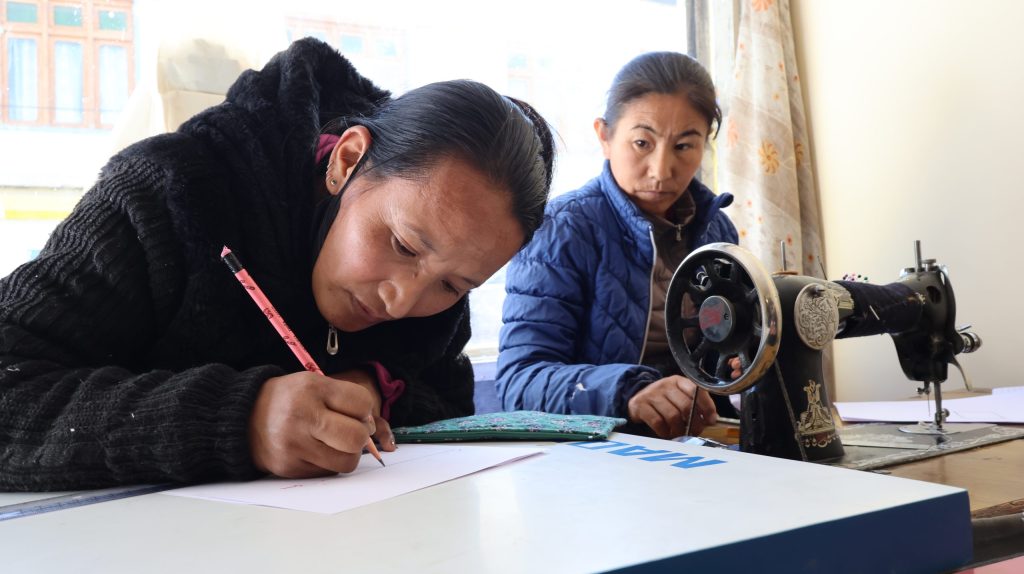
Tashi, 38, grew up in the remote nomadic village of Hanle. After her marriage ended, she raised her young son as a single mother, cared for her elderly mother, and supported a struggling brother, all without a dependable income. She worked long hours and sacrificed her own needs to keep her son in school.
The program gave her advanced tailoring training and essential equipment, along with a network of women entrepreneurs who encouraged her. Tashi opened her own tailoring shop and now earns more than three times her previous income. She is investing in her son’s education, developing new products such as bags and chupas, and hopes to pass her skills on to others.
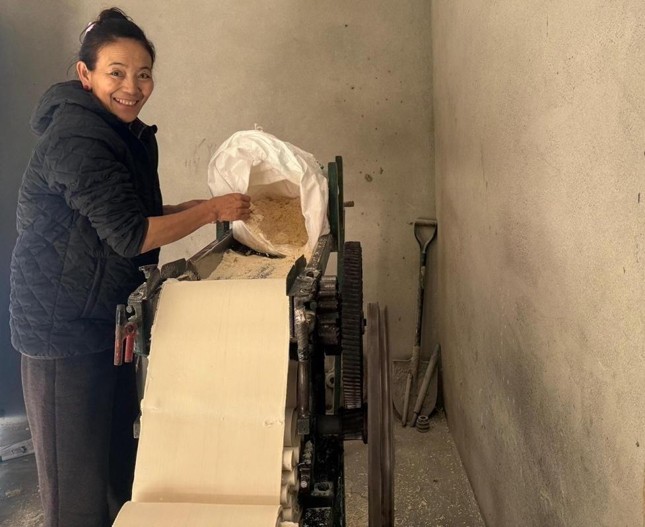
Gelek, 51, escaped Tibet after a difficult journey and spent years in Nepal balancing health concerns with the need to build a stable life. She and her husband tried a phone booth and roadside snacks, but with two daughters to raise, their income stayed vulnerable to market swings.
A seed grant helped her buy a noodle-making machine, moving her work from small informal sales to a growing enterprise. She now supplies restaurants, hotels, and households, earning a steadier income that keeps her daughters in school and secures her family’s future.
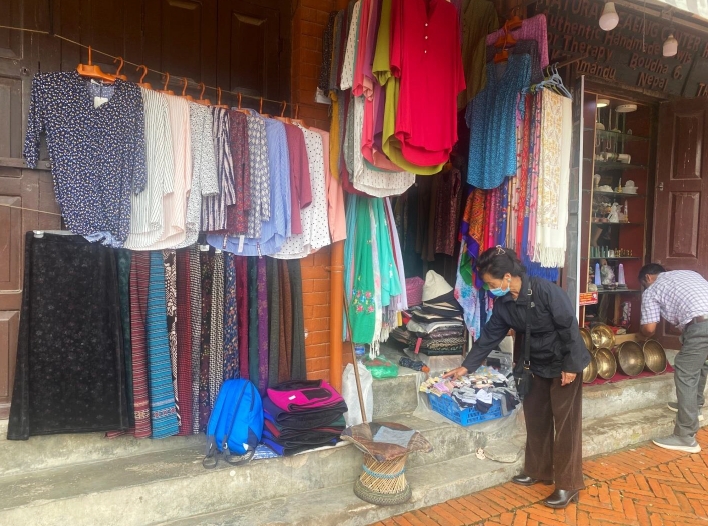
Pema, 61, escaped Tibet in the early 2000s and rebuilt a modest living as a street vendor near Boudhanath Stupa, until Tibetan vendors were forced to relocate. The pandemic then left her isolated, unwell, and out of savings.
A seed grant helped her restart a clothing business in partnership with two other Tibetan women, giving her a more stable footing. The grant did more than restock inventory. It restored her routine, her dignity, and her sense of control. Today she meets her basic needs more consistently, can plan for medical expenses, and looks ahead with renewed confidence.
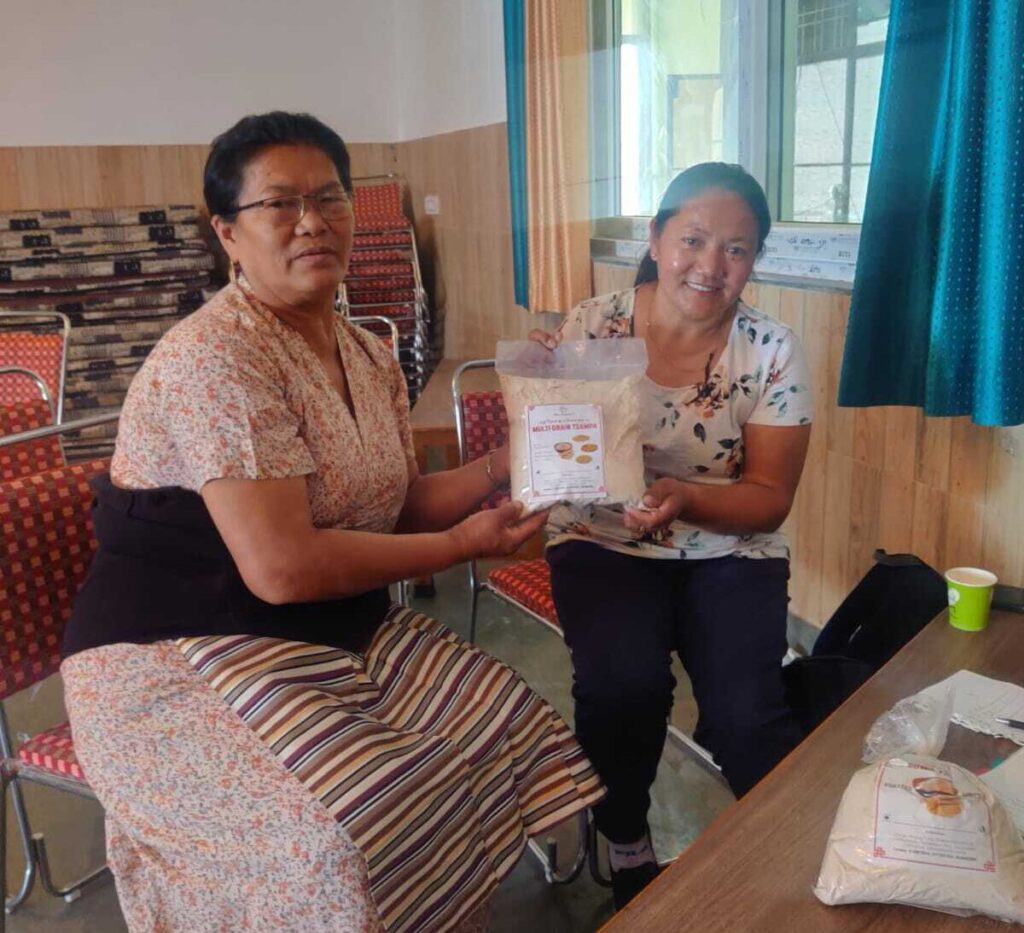
Tsering Bhuti (61), and Tenzin Yangzom (42) each fled Tibet without education or vocational skills and sustained their families by selling tsampa (roasted barley flour). The work was so labor-intensive that each woman was limited in how much she could produce and sell.
The program brought them together to form Ma Tsampa, a collective venture. New roasting, cleaning, and grinding equipment cut their workday from 13 hours to just over six, and training in bookkeeping, packaging, and marketing improved their product’s appeal. A vacuum sealer extended shelf life, opening new markets.
Today they offer two new tsampa varieties, sell khapsey (traditional Tibetan cookies) during festivals, and share profits equally. Their orders and income keep growing, along with their confidence and sense of unity.
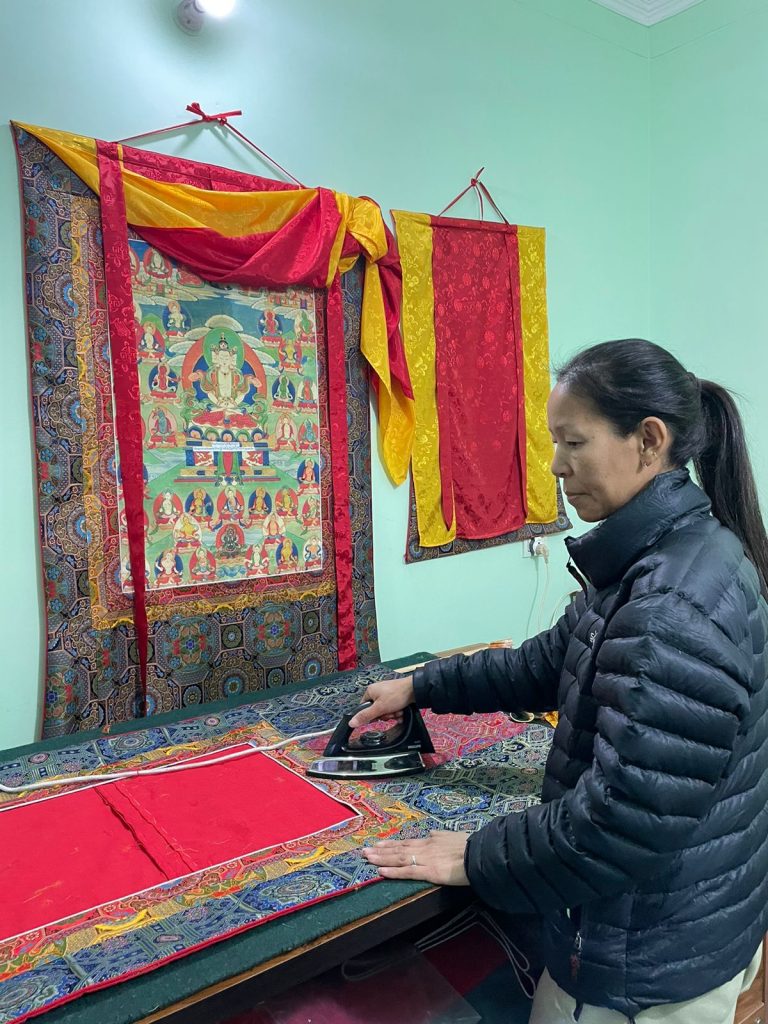
Dekyi Dolma, a single mother from the Dekyiling settlement, joined the program in 2022. Her husband was unable to return from Tibet, and contact was lost, leaving her with few options for supporting herself and her two daughters. She ran a small tea stall, but her income remained modest and uncertain.
The program encouraged her to start a Thangka tailoring store and provided sewing and interlock machines, a table, and brocade fabric. Her small shop was renovated with a new brand name and professional signage. Her reputation has since grown across the settlement, bringing a steady stream of customers and a monthly turnover. With her confidence stronger, she has hired another woman to keep up with rising orders.
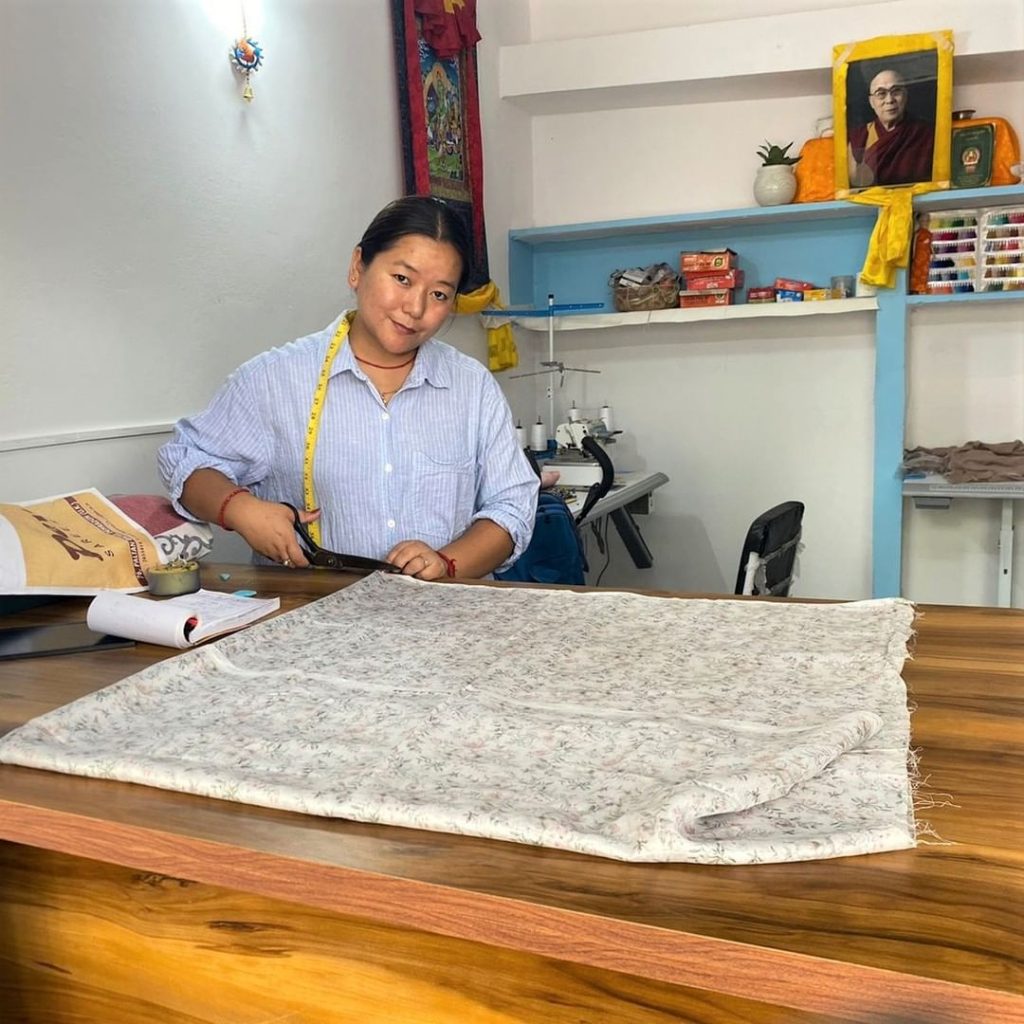
Youdon, a resident of the Ghephelling settlement, dreamed of running her own business. With the program’s support, she launched Youdon Design, a boutique specializing in traditional chupas and shirts, with designs customized to each client’s preferences.
The program helped her develop a solid business plan, rent a boutique in Dekyiling, and acquire a 5-thread interlock machine and a sewing machine. It also funded the salary of another Tibetan woman, who works and trains in the boutique. A unique logo and label gave the brand its own identity. Since opening, Youdon has increased her monthly sales, and she is creating jobs for other women in her community.
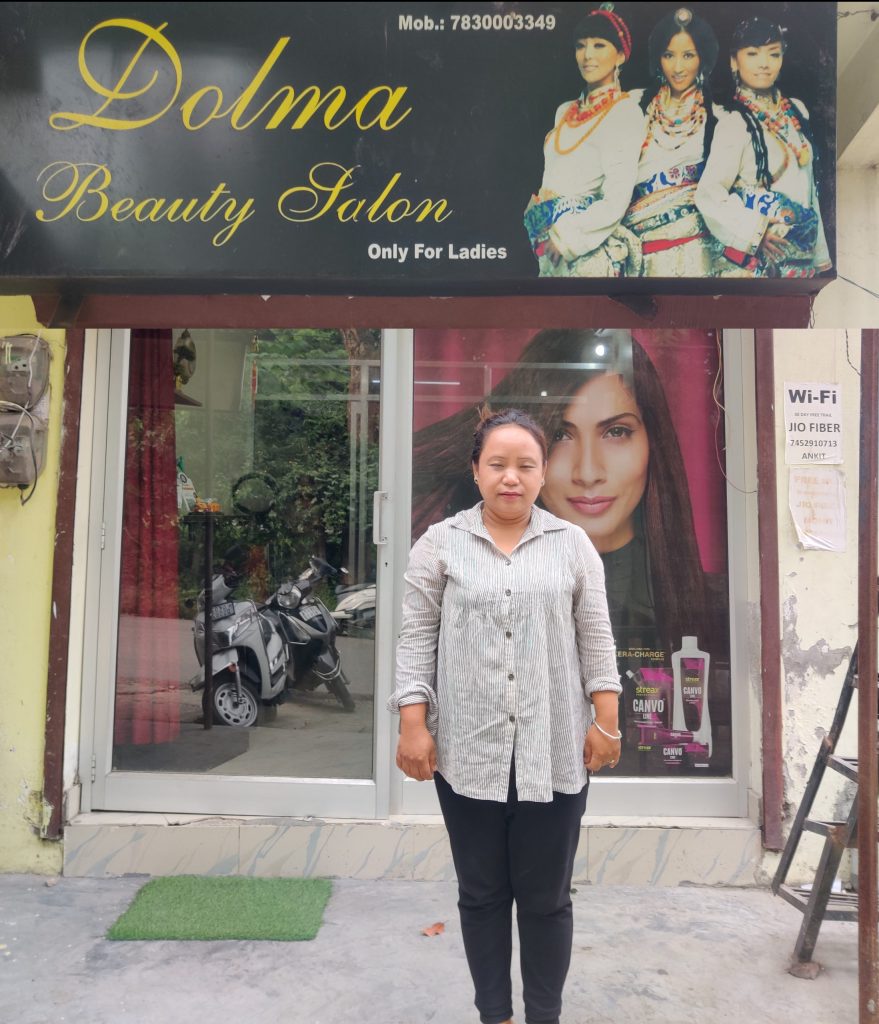
Tsering Dolma runs Dolma Salon, just outside Clement Town. She is passionate about helping her clients feel confident and beautiful, but wanted to build her skills to offer more. The program supported her through a six-month Makeup Artistry course at the Lakme Academy, a premier beauty and cosmetology training institute in India. She also received support to renovate the salon and add new furniture, creating a more welcoming space for customers. The improvements have helped her expand her services, attract more clients, and build a loyal customer base.
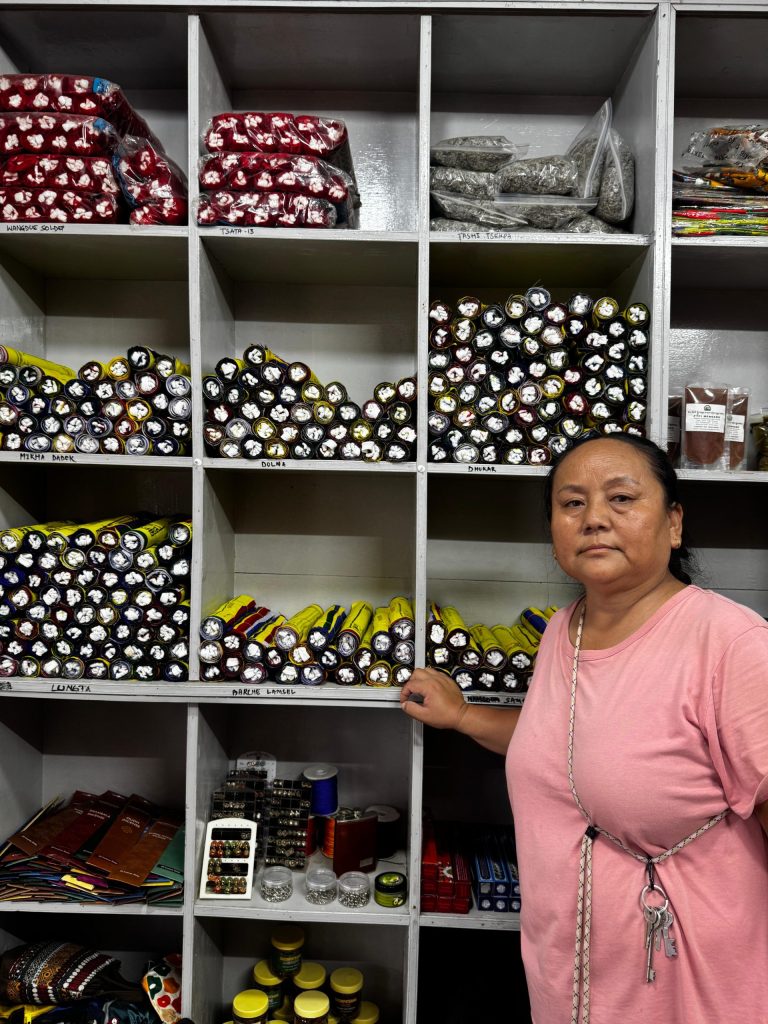
Tsering Paldon makes prayer flags at home. The program helped her buy raw materials, including cloth, ink, and blocks, and install a screen printer, sewing machine, storage shelves, table, and water tank in her home. With this equipment, she has run her printing business for the past year, producing high-quality prayer flags that reflect her craftsmanship. The program also facilitated sales for her brand, Paldon Lungta, generating an additional income and strengthening her growth and sustainability.