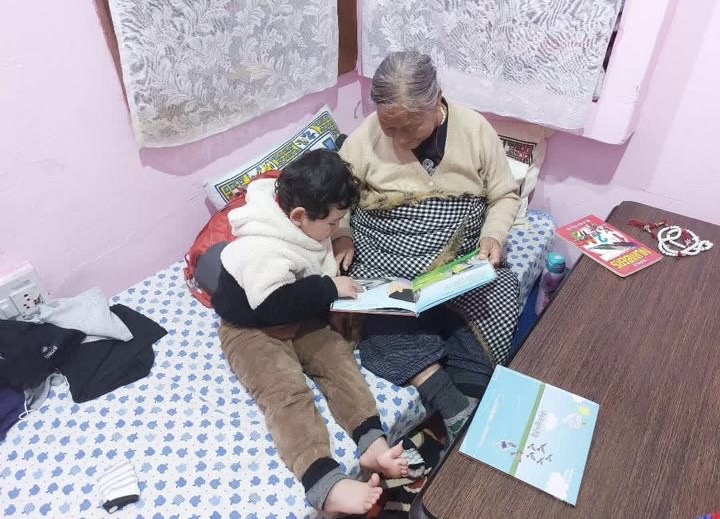
Early Child Literacy Program
Our Early Child Literacy Program responds by bringing Tibetan books and learning materials to children, strengthening community reading spaces, and equipping parents to nurture language at home, across India, Nepal, and North America.
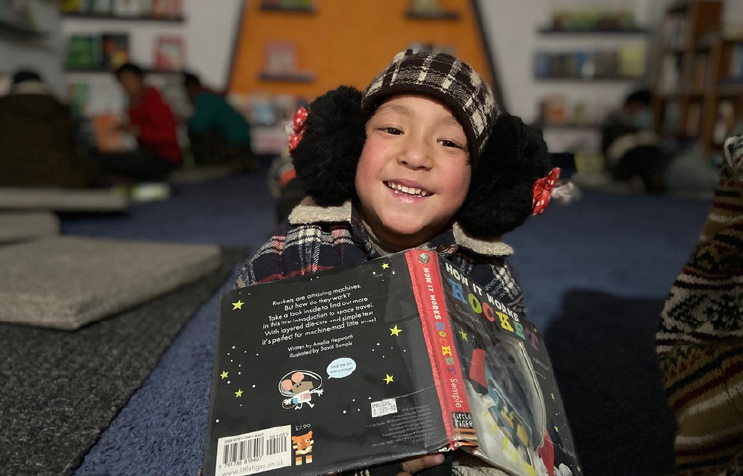
When Khedup first came to his community library at five, he was a quiet child with a speech delay. Words came slowly, but his love for stories did not. Every day for nearly a year, he chose the same book, a companion and a doorway into expression.
In the library’s sharing circle, where children talk about what they have read or felt, Khedup began with a single word, and eventually the whole story. No one pushed him to speak more or to pick a different book. The adults and children simply listened and, in doing so, learned patience and how to welcome differences.
Khedup now attends boarding school and visits less often, but when he returns, the change is clear. He speaks clearly, confidently, and with joy.
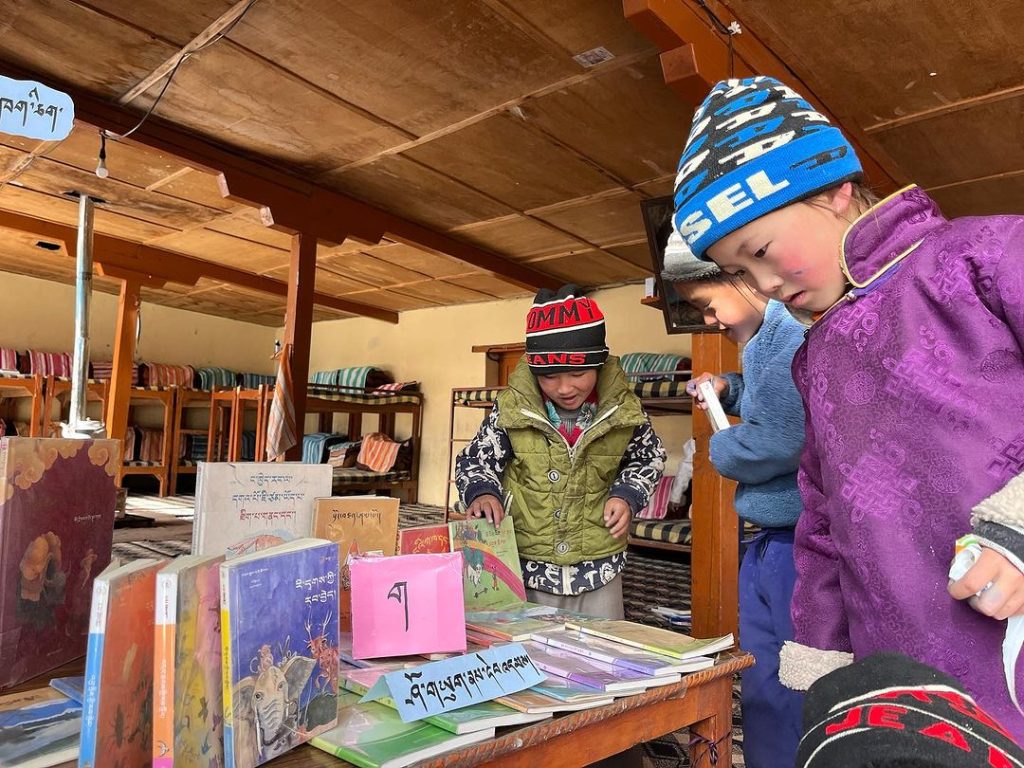
Like many children today, Tennam and Tselha were drawn to phones; their community had little reading culture, and their mother worried about how her children spent their time. In 2022, the family joined their local library and began reading Tibetan storybooks, which made all the difference.
The children loved imagining adventures, and they also learned about their culture, values, and traditions through the stories. Today, their mother often finds them reading quietly on their own.
“It gives me so much joy to see them choose books over screens,” she says.
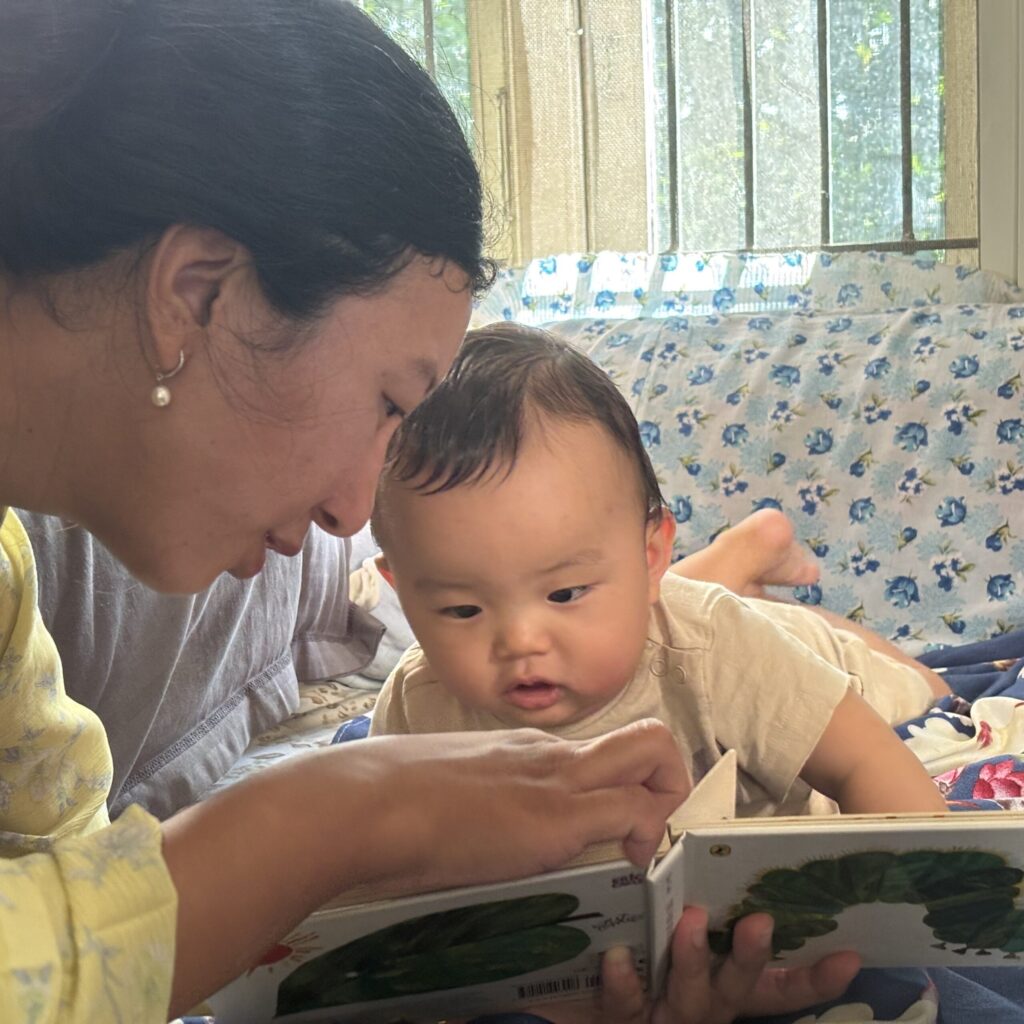
Tenzin and her husband, both teachers, entered parenthood with excitement and a lot of questions. During pregnancy, she joined an early childhood workshop and learned how much the first five years shape a child’s brain. “It gave me a very good sense of direction and confidence,” she says.
After their son was born, small changes became daily habits: talking and singing to him, spending time outdoors, and reading together every day. They were given Tibetan books, puzzles, and alphabet blocks to help them build a home library. Having learned how screens affect young children, they chose to raise him screen-free. At eight months, he is calm, alert, curious, and responsive to the people around him.
Tenzin hopes other families can share the experience, especially parents with little access to this kind of knowledge and resources.
“I hope every new parent in the Tibetan community receives this benefit.”
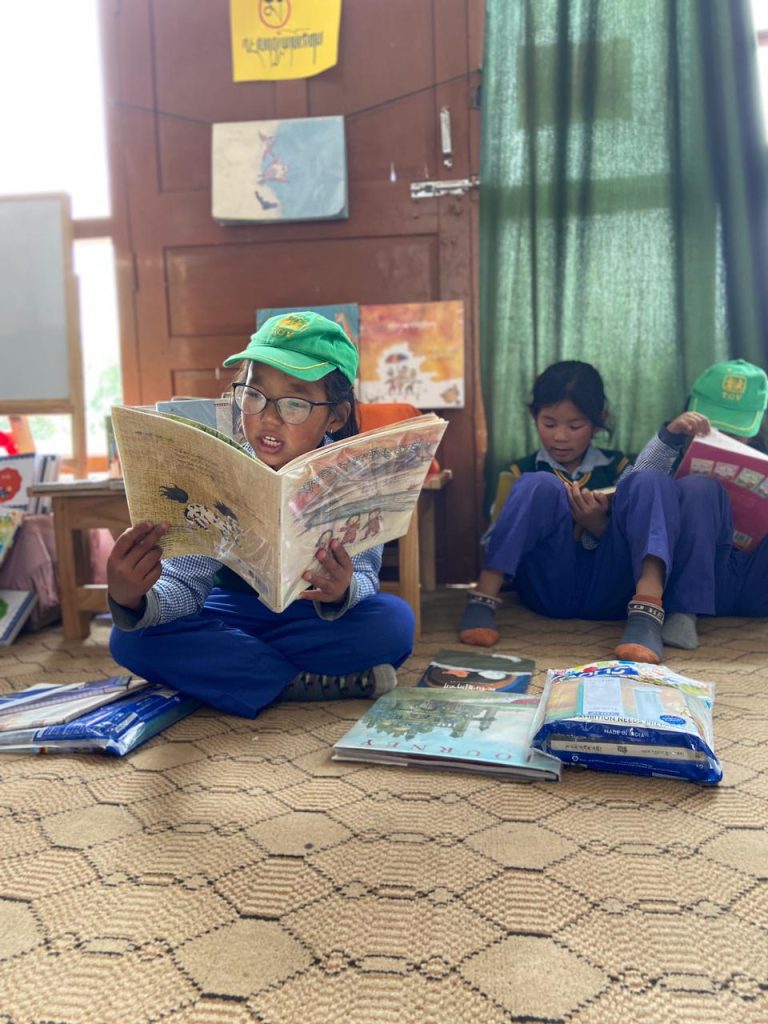
Eight-year-old Dolma lives in a household devoted to the art of thangka painting. Her father spends long hours in his studio, and her mother runs the home and family shop, so Dolma developed her own discipline and a deep curiosity about the world.
She found an outlet at Karchung Children’s Library, a welcoming place to spend her evenings. Dolma visits daily with her six-year-old sister, and she has now read more than 1,000 books.
Her story reflects her own determination, her parents’ encouragement, and what open access to books can do for a child.
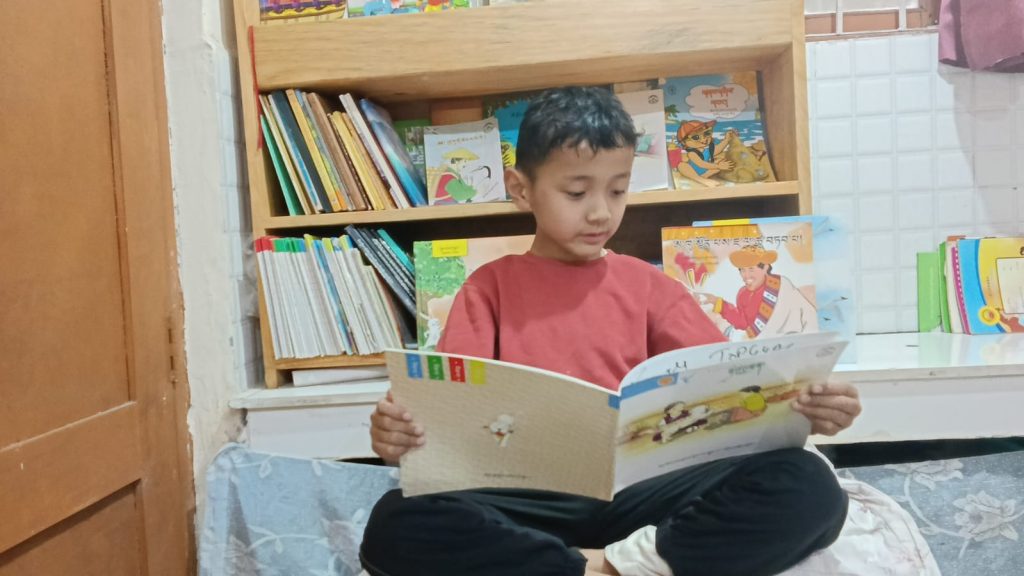
Seven-year-old Delek loves football, and school is as much a playground as a classroom. When he is not playing, he is reading. He loves Tibetan stories because they help him access his emotions.
His love of reading began with the books in his classroom reading corner and the stories his teachers read aloud. It grew at home, where he retells stories to his mother and sister in his own words and asks questions when something is unclear. Those moments with family, along with a wide range of Tibetan stories, keep him eager to read more.