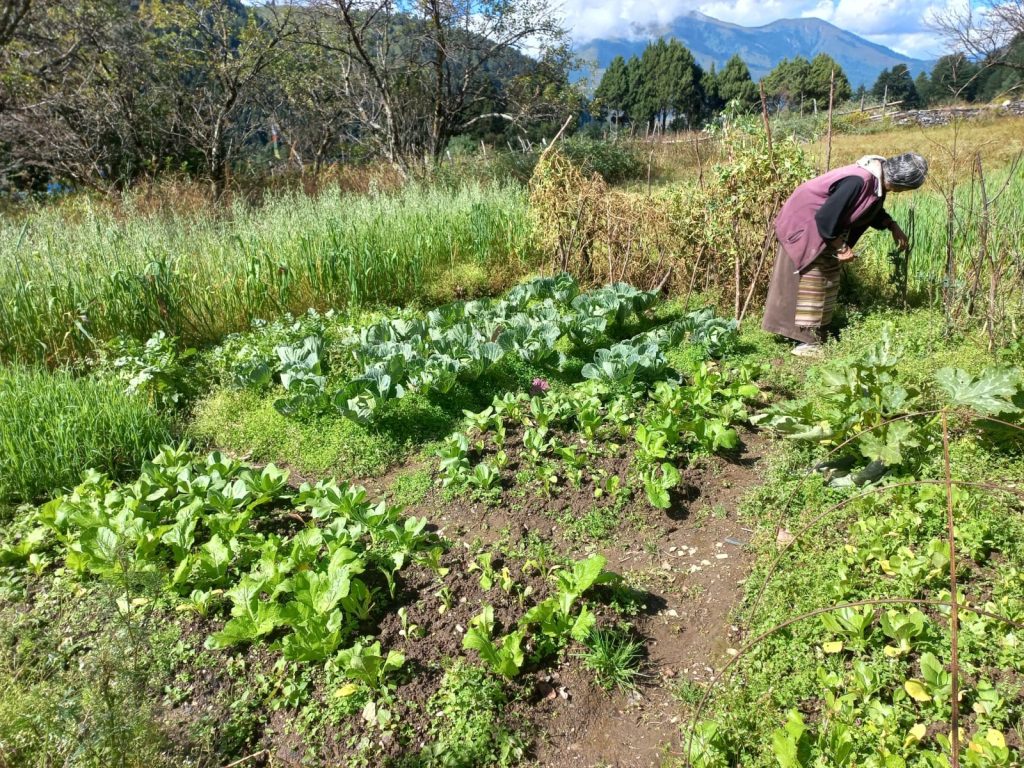
The Tibet Fund works to increase farming productivity and income in Tibetan settlements across India and Nepal. Farmers gain valuable support through training in improved farm management practices, exposure visits to demonstration farms, cash crop seedlings, soil treatment nutrients, organic fertilizer, fencing, and farming equipment.
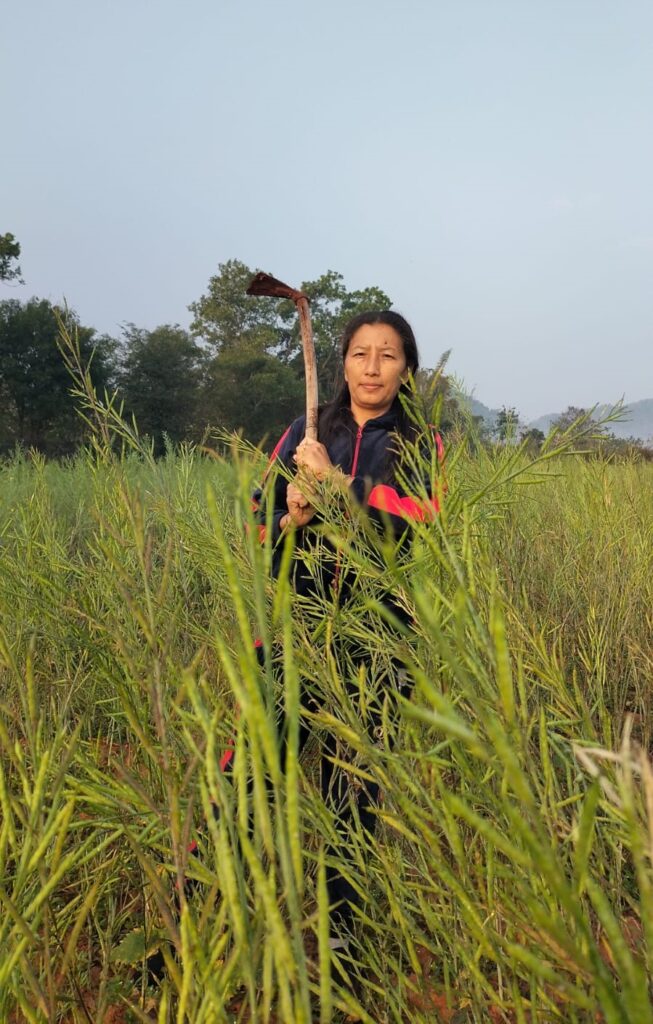
An inspiring example of how such initiatives have impacted Tibetan agriculturists is Sonam Palmo, a model farmer from Phuntsokling Tibetan Settlement in Odisha. After nearly two decades of serving as a school teacher, administrator, and settlement camp leader, she decided to try her hand at farming.
With support from The Tibet Fund, she received training in farm management, fencing and a submersible pump, empowering her to tackle farming challenges with confidence. Sonam now grows maize, finger millet (ragi), and a variety of vegetables on 28 acres of land, five of her own and 23 leased from the settlement.
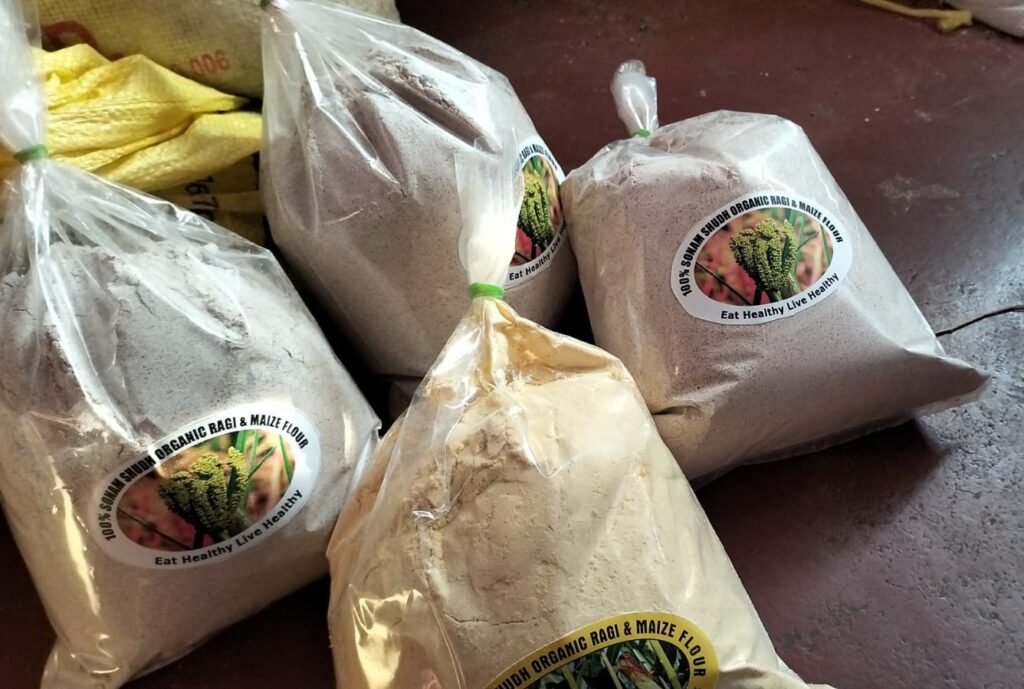
Embracing organic practices, Sonam has transformed three acres into thriving, chemical-free fields, producing ragi and other traditional foods. Unlike many of her peers, who sell to middlemen at lower prices, she sells her produce directly to tourists, including organic tsampa, the traditional Tibetan staple of roasted barley flour.
Sonam has also begun planting medicinal plants, as part of a new initiative to connect farmers to markets for the ingredients used in traditional Tibetan Sorig and Ayurvedic medicine, with technical guidance from the Tibetan Medical and Astrological Institute and Central Tibetan Administration.
Resisting the trend of youth migration to the West, Sonam believes in the value of staying connected to the community and practicing sustainable agriculture. She believes that with the right guidance the younger generation can be inspired to pursue agriculture, helping to secure the future of their settlements.
Through her journey, Sonam Palmo encourages others like her to remain rooted and contribute to their community’s prosperity.